
The Leigh Fermor House-Benaki Museum
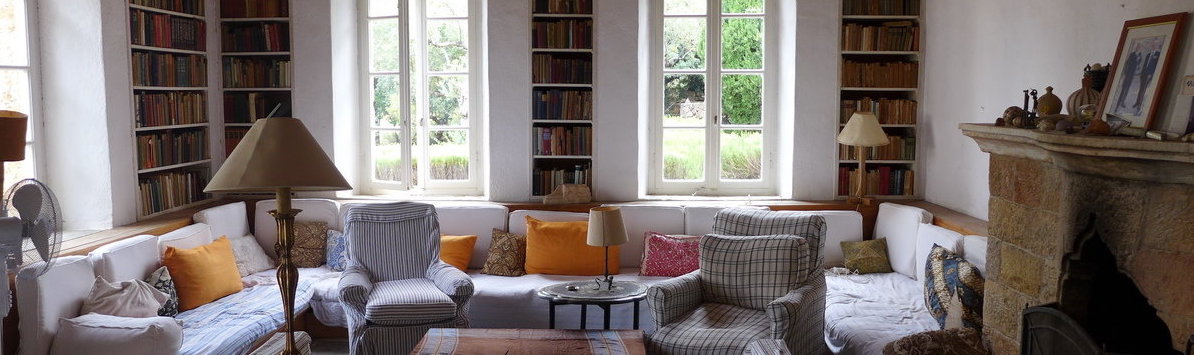
The Leigh Fermor House-Benaki Museum
The UCLA Stavros Niarchos Foundation Center for the Study of Hellenic Culture has a longstanding relationship with the Benaki Museum, which includes collaboration on lecture series and exhibitions. Critical to this relationship is a collaboration at The Leigh Fermor House in Kardamyli, Mani, which is administered by the Benaki Museum.
A signed memorandum of understanding between the Benaki Museum, Athens, and the University of California, Los Angeles, sets forth principles for collaboration at The Leigh Fermor House.
Both institutions agree to explore the development of the following types of activities:
- Organization of joint conferences, symposia, or other scientific meetings on subjects related to the interests of Patrick Leigh Fermor and/or the region in which the house is located.
- Exploration of outreach activities that may benefit local communities in Greece and/or Los Angeles.
- Exploration of collaborative exhibitions related to activities organized at the Patrick Leigh Fermor House. These collaborative exhibitions may take place in Kardamyli, Athens, Los Angeles, or elsewhere.
- Organization of study trips that include the Patrick Leigh Fermor House and the surrounding region.
- Visits of graduate students, faculty, scholars and administrators in specific areas of education, research, and outreach.
- Other exchange and cooperation programs to which both parties agree.
Leigh Fermor House Fellowships
Upcoming Fellows
2027
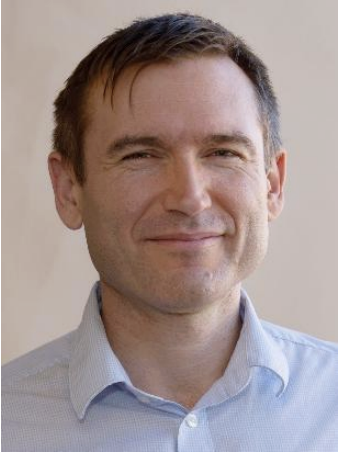
David Goldstein
David Goldstein is the A. Richard Diebold, Jr. Professor of Indo-European Studies at the University of California, Los Angeles, with joint appointments in Linguistics and Classics. His research integrates Bayesian statistical methods, including phylogenetic approaches adapted from evolutionary biology, with classical philology and linguistic theory to investigate the history and diversification of the Indo-European languages. He is the author of Classical Greek Syntax: Wackernagel’s Law in Herodotus (Brill, 2016). He has received fellowships from the John Simon Guggenheim Memorial Foundation, the Fulbright Foundation, the Society for Classical Studies, and the National Endowment for the Humanities, and has held visiting appointments at Clare Hall (Cambridge), the Centre for Greek Studies (Cambridge), and the Swedish Collegium for Advanced Study and the Centre for the Human Past (Uppsala). David Goldstein’s research project while at the Leigh Fermor House is titled The diversification of
ancient Greek: Language, archaeology, and genes.
2026
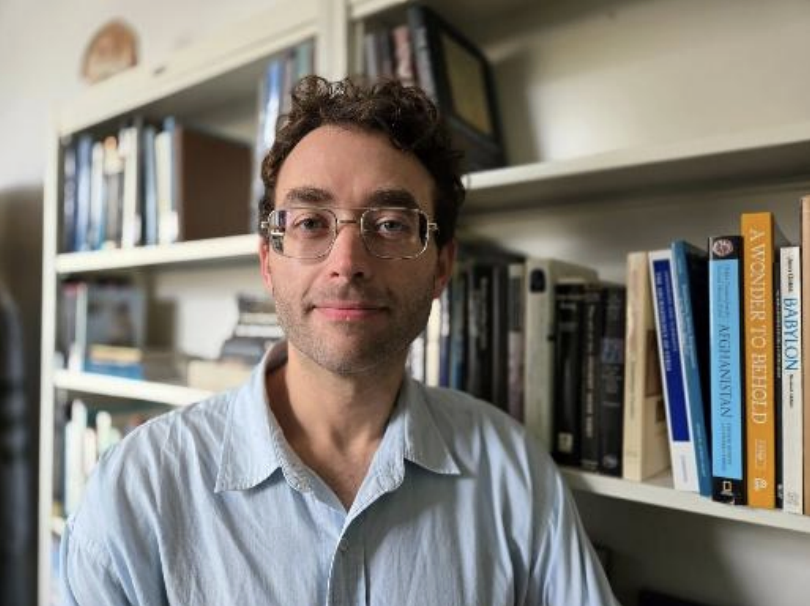
David Schneller
David Schneller is Assistant Professor of Ancient Art at University of California, Los Angeles, where he teaches broadly on the art and archaeology of antiquity focusing on the ancient Mediterranean and Southwest Asia. His scholarship examines sculpture and material practice, with particular attention to how artworks were made, remade, and encountered over time. He is especially interested in processes of making, long object histories, and the movement of artistic practices across regions and materials. He is currently working on his first book, Crafting Across Time and Space, a cross-material study of terracotta, stone, and bronze sculpture in the early first millennium BC. David Schneller’s research project while at The Leigh Fermor House is titled Crafting Across Time and Space: Making and Remaking Sculpture in the Early First Millennium BC.
Past Fellows
2025
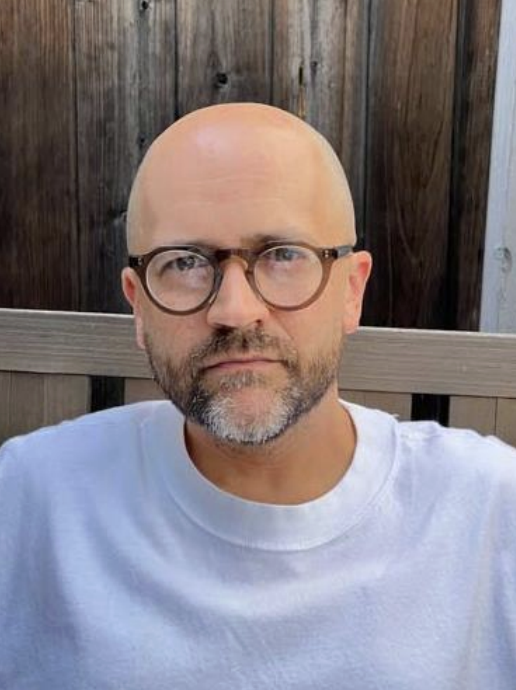
Bryant Kirkland
Bryant Kirkland is Associate Professor of Classics at the University of California, Los Angeles. His research centers on Greek literature of the Roman Empire. His first book, Herodotus and Imperial Greek Literature, studied the reception of Herodotus among Roman-era Greek
authors across different genres. In 2023, the book was awarded the Charles J. Goodwin of Merit from the Society for Classical Studies as one of that year’s three best books in the field. The author of articles and book-chapters on such topics as friendship, empire, and fearmongering, Kirkland is currently writing a book on the philosophically inclined rhetor Dio Chrysostom as a literary artist. Across his vast corpus, Dio Chrysostom (1st–2nd c.) recurrently writes about the landscape and natural environment of the ancient Greek world under Roman rule. While many of his orations were delivered in some of the most famous cities of ancient Greece and Asia Minor, Dio’s attention to natural setting and environmental precarity stimulates audience reflection on matters beyond the built environment.
2025
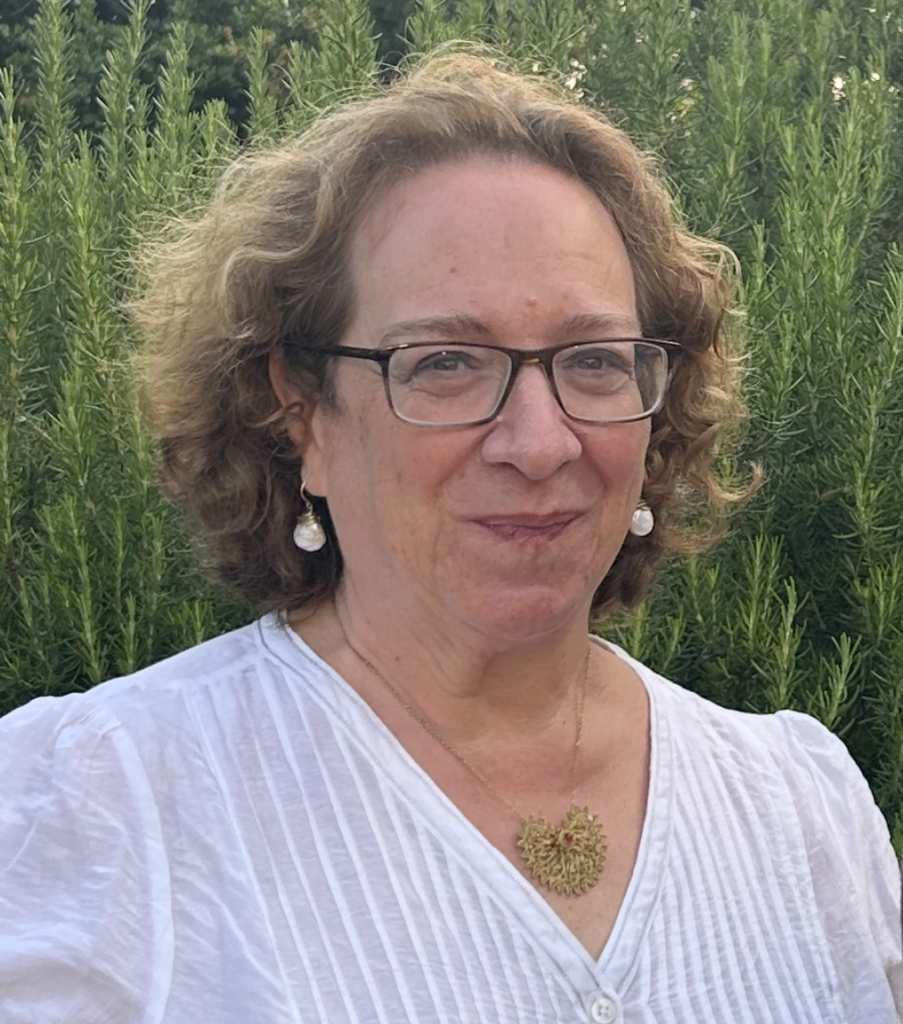
Sharon E.J. Gerstel
Sharon E.J. Gerstel is Director of the UCLA Stavros Niarchos Foundation Center for the Study of Hellenic Culture and Professor of Byzantine Art and Archaeology at the University of California, Los Angeles, where she holds the George P. Kolovos Family Centennial Term Chair in Hellenic Studies. In 2021, the Hellenic Republic awarded her the medal of the Commander of the Order of the Phoenix for her acts of service to the State. Trained in art history, religious studies, and archaeology, Gerstel’s work investigates ritual, art, and material culture as well as acoustics and cultural heritage. Her authored and edited books include Beholding the Sacred Mysteries (1999), A Lost Art Rediscovered: The Architectural Ceramics of Byzantium (2001), Thresholds of the Sacred: Art Historical, Archaeological, Liturgical and Theological Views on Religious Screens, East and West (2007), Approaching the Holy Mountain: Art and Liturgy at St. Catherine’s Monastery in the Sinai (2010), and Viewing the Morea: Land and People in the Late Medieval Peloponnese (2013). Her most recent monograph, Rural Lives and Landscapes in Late Byzantium: Art, Archaeology, and Ethnography (2015), was awarded the prestigious Runciman Award by the Anglo-Hellenic League, the Maria Theocharis Prize by the Christian Archaeological Society, and the inaugural book prize of the International Center of Medieval Art. Most recently, Gerstel co-edited the volume Weaving Dreams: Kilims from Geraki, Laconia, which was published by the Benaki Museum in 2024. While at the Leigh Fermor House, Sharon Gerstel worked on two projects, Weaving and the Women of the Generation of the 1930s and Interwoven Lives: Photis Kontoglou and Andreas Xyngopoulos.
2025
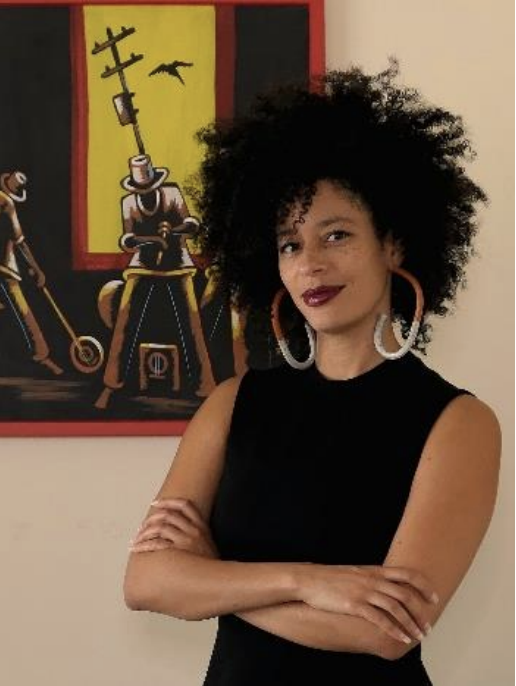
Tiffany E. Barber
Tiffany E. Barber is an internationally recognized scholar, curator, and critic whose expert commentary is featured in top-tier academic journals, exhibition catalogs, award-winning documentaries and podcasts, and news outlets such as The Nation. Synthesizing art history, Black diaspora studies, dance and performance studies, and feminist and queer theory, her scholarship and exhibitions expand conventional understandings of the ethics of representation at the nexus of race, gender, and sexuality. She is on the International Journal of Surrealism’s editorial board and co-editor of the forthcoming issue “Surrealism and the Black World,” which chronicles the Pan-African origins of Surrealism and the historical avant-gardes. In 2022, she received the Smithsonian’s National Portrait Gallery Director’s Essay Prize and is author of Undesirability and Her Sisters: Black Women’s Visual Work and the Ethics of Representation (NYU Press, 2025). She is Assistant Professor of African American Art at UCLA. Tiffany Barber’s research project while at the Leigh Fermor House is titled Contemporary Black Women’s Art and Antiquity.
2024
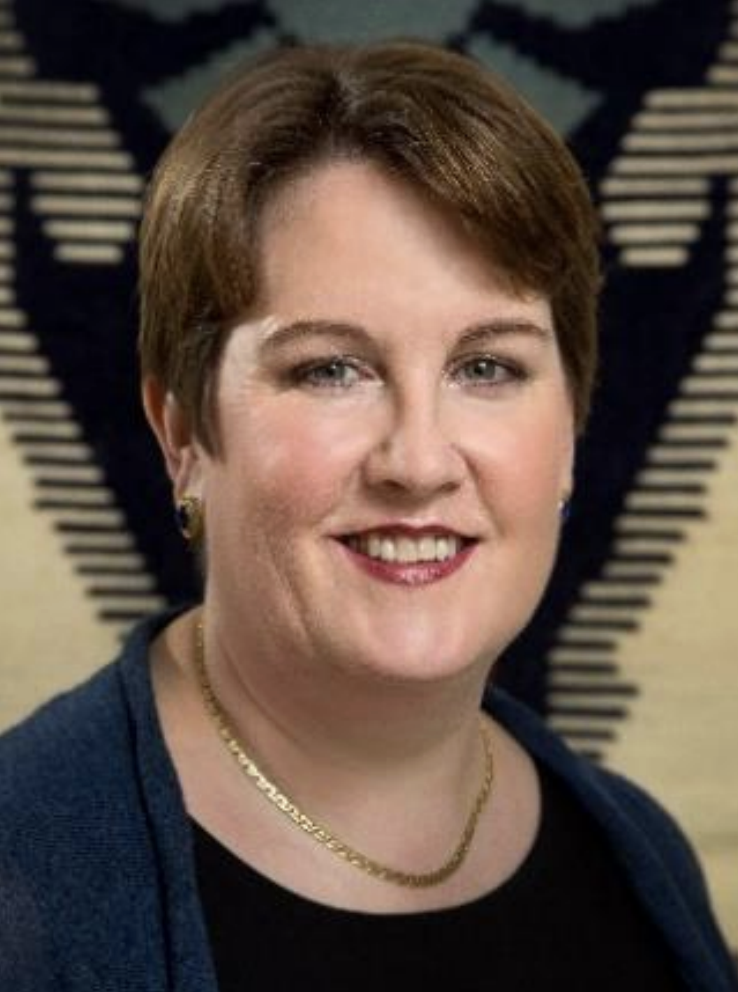
Kathryn Morgan
Kathryn Morgan is Joan Palevsky Professor of Classics at UCLA. Her interests range broadly over Greek literature of the fifth and fourth centuries BCE. She regularly teaches graduate seminars in Attic tragedy, Pindar and Greek lyric, and Plato, and her research moves between projects connected with Plato and with Pindar. The former is represented by her first book Myth and Philosophy from the Presocratics to Plato, and by her work on the chapters covering Plato for the series Studies in Ancient Greek Narrative. Her next book, Pindar and the
Construction of Syracusan Monarchy in the Fifth Century B.C. (2015), was a groundbreaking reading of the poetry written by Pindar for Hieron of Syracuse, arguing that the victory odes and other songs composed by Pindar for the Sicilian tyrant were part of an extensive cultural program that included athletic competition, coinage, architecture, sanctuary dedication, city foundation, and much more. Ongoing research includes projects on historical narrative in the Persians of Aeschylus, Pindaric politics, and Plato’s transformative appropriation of Athenian comedy and Greek lyric. Her current book project centers on how Plato engaged with the emerging genre of Greek historiography, particularly Thucydides. She has served on the Program Committee, Board of Directors, and the Nominating Committee of the Society for Classical Studies, and was Chair of the Department of Classics at UCLA from 2014-2020. In 2004 she was honored with Distinguished Teaching Awards from the American Philological Association and UCLA (Distinction in Teaching at the Graduate Level). In 2023 she was a member of the Institute for Advanced Study in Princeton. Kathryn Morgan’s research project at the Leigh Fermor House was titled Plato, Thucydides, and the Uses of History.
2024
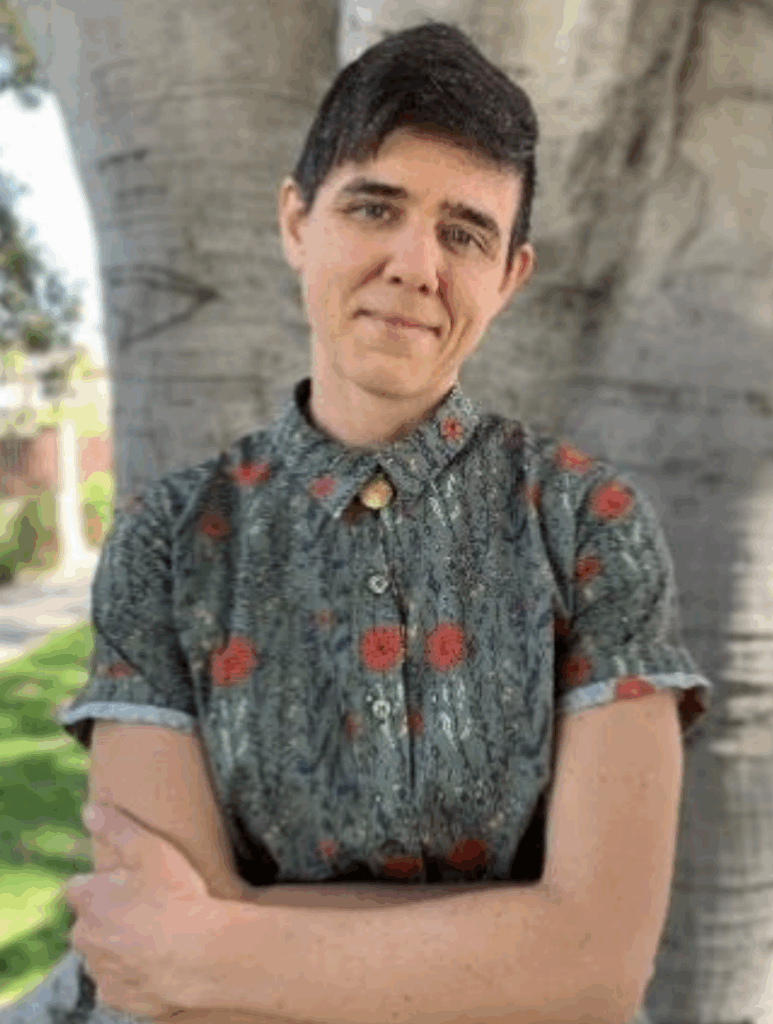
Ella Haselswerdt
Ella Haselswerdt joined the Classics department at UCLA as an Assistant Professor in 2020, having earned her PhD in Classics from Princeton University. She has wide ranging interests in Greek literature, with particular focus in the poetics and aesthetics of Attic tragedy and in queer literary methodologies, and has published in both areas. Her 2019 article “Sound and the Sublime in Sophocles’ Oedipus at Colonus” won the American Journal of Philology’s Best Article Prize that year. In addition to the project proposed in this application, Ella Haselswerdt is completing a monograph on the aesthetics and subjectivity of the tragic chorus, and have co-edited a forthcoming volume titled The Routledge Handbook to Classics and Queer Theory, which will come out in 2023. At UCLA Ella Haselswerdt teaches ancient Greek at both the undergraduate and graduate levels, as well as general education courses in ancient Greek civilization, gender and sexuality, and Greek tragedy. Ella Haselswerdt’s research project at the Leigh Fermor House was titled Deep Lez Philology.